
Pinco Online Kazino Пинко 2026 Thlksizlik v Mlumatlarn Mhafizsi.6307
March 23, 2026Debunking common myths about casinos Separating fact from fiction
March 23, 2026The evolution of gambling a historical perspective on chance and strategy
The evolution of gambling a historical perspective on chance and strategy
The Origins of Gambling
The history of gambling stretches back to ancient civilizations, where it was often intertwined with religious practices and cultural rituals. Archaeological findings reveal that the earliest forms of gambling can be traced to China around 2300 BCE, where the Chinese would use rudimentary dice made from animal bones. These primitive games laid the foundation for the complex systems of chance and strategy that evolved in the centuries to follow. The emergence of organized gambling led many to explore options, such as 1xbet download, which offers easy access to various games.
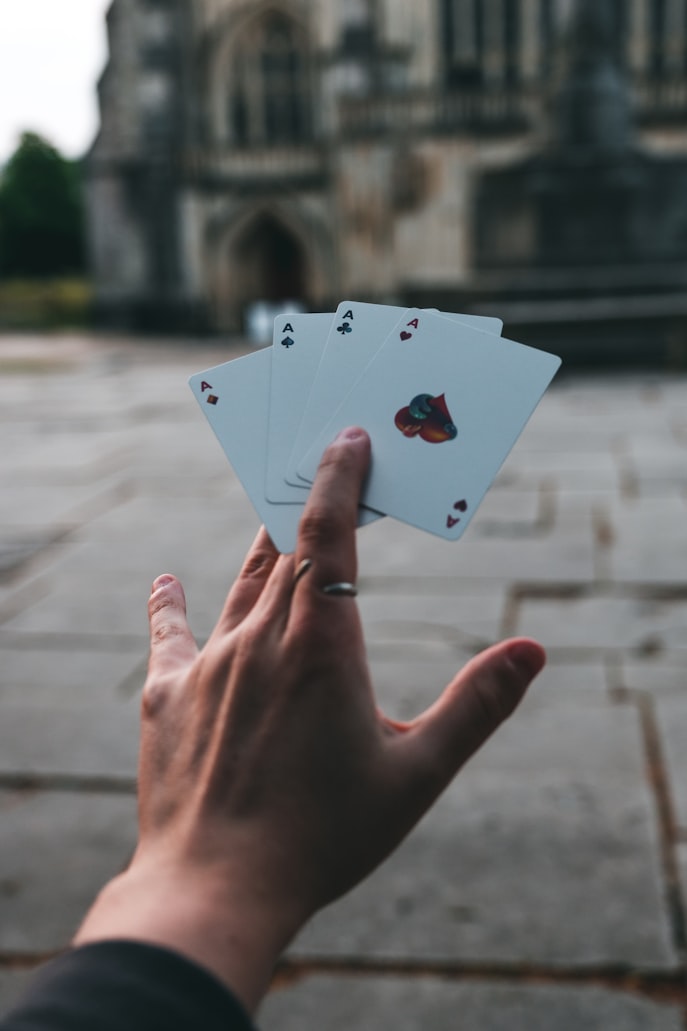
As societies developed, so too did the methods of gambling. In ancient Rome, games of chance became popular among citizens, often taking the form of betting on chariot races or gladiatorial contests. These early forms of gambling were not merely entertainment; they served as social activities that brought communities together, reflecting the cultural values and social hierarchies of the time.
The Middle Ages and Gambling
The Middle Ages marked a significant period in the evolution of gambling, where it began to take on more organized structures. Gambling houses emerged in various parts of Europe, and games like cards became widely popular. The introduction of playing cards is believed to have originated from China before making its way to Europe, leading to the development of numerous card games.
During this era, gambling was often frowned upon by religious institutions, which viewed it as a moral failing. Nevertheless, the allure of chance proved irresistible to many, and gambling continued to thrive in clandestine settings. The tension between acceptance and condemnation reflected broader societal attitudes toward chance and strategy, influencing how games were played and regulated.
The Rise of Modern Gambling
The 18th and 19th centuries heralded the rise of modern gambling as we know it today, with the establishment of casinos and regulated betting systems. The first official casino opened in Venice in 1638, setting a precedent for formalized gambling establishments across Europe. As technology advanced, so did the games themselves, leading to the creation of roulette and modern slot machines.
In the United States, the Gold Rush of the 19th century spurred a gambling boom, particularly in the frontier towns where miners sought fortune. The establishment of Las Vegas in the 20th century marked a turning point, as it transformed into the gambling capital of the world. This era saw the intertwining of chance with entertainment, elevating gambling to an essential aspect of modern leisure culture.
The Impact of Technology on Gambling
The advent of the internet revolutionized the gambling industry, making it more accessible than ever before. Online casinos and betting platforms emerged, allowing players to engage in games of chance from the comfort of their homes. This digital transformation created new opportunities for strategy and interaction among players, as online communities flourished around various games.
Moreover, advancements in technology have led to innovations such as live dealer games and mobile betting applications, enhancing user experience and engagement. The integration of artificial intelligence and data analytics has also changed the landscape of gambling, enabling players to develop strategies informed by extensive data analysis.

Exploring Cultural Perspectives on Gambling
Gambling is often viewed through various cultural lenses, with attitudes varying significantly across different societies. In some cultures, it is embraced as a legitimate form of entertainment and social bonding, while in others, it is stigmatized or outright banned. Understanding these cultural perspectives can provide valuable insights into how gambling evolves within societies.
Today, as discussions surrounding gambling continue to evolve, organizations and communities are increasingly addressing issues related to responsible gambling practices. By fostering dialogue and education, societies can better navigate the complexities of chance and strategy in gambling, ensuring that it remains a source of enjoyment rather than harm.
